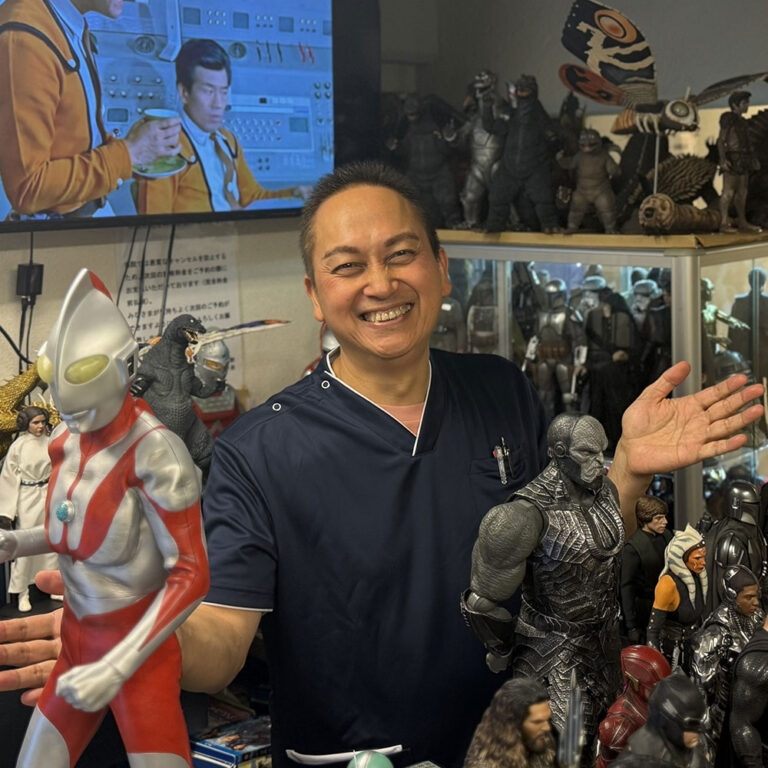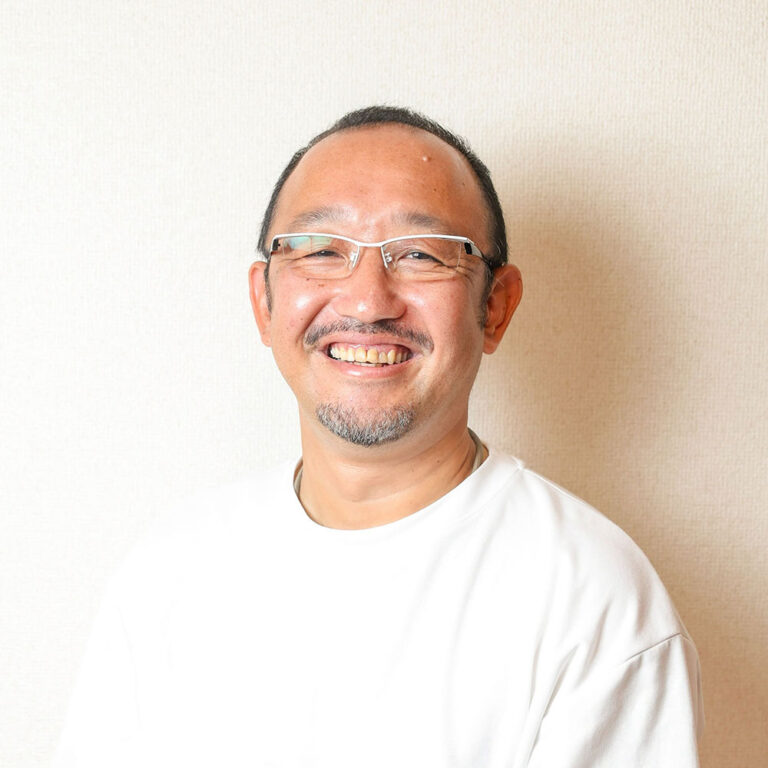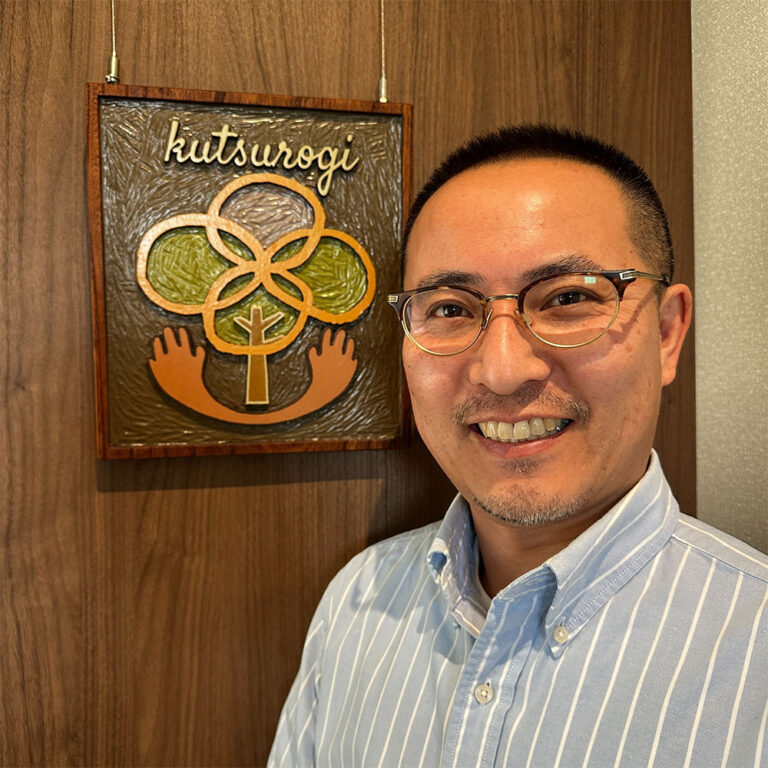
Takuro Nakajima
Kutsurogi Soft Seitai Salon
Ota, Gunma
Koto saysCranial work with real precision.
- Email booking not available yet
- English is difficult at the salon. Bring a translation app.
- No salon website
 Solechika

Seitai is Japan's own hands-on bodywork. Solechika introduces six sensei, each recommended by Tadahiro Koto, who has taught seitai to other practitioners since 2013.
Tadahiro Koto at work.
整体
The word means, roughly, putting the body in order. A sensei works with their hands on your whole body, and every sensei works a little differently.
Say it “say-tie”. You'll often see these two characters on the door. It isn't medical care, so think of it as something to experience while you're in Japan.

Who should you trust with your body in a country you don't know? Tadahiro Koto opened his own salon in 2004 and has taught other practitioners since 2013. Students ask to be listed here, and not all of them are.
Figures reported by Koto as of 28 February 2026: 730 seminars. Attendance counts repeat participants.
Who is Tadahiro Koto?

Sensei (先生) is how people in Japan address a teacher, or anyone they look up to for their skill. It's what you'd call the people on this page.
A note on language. You can write in English to any salon that takes email bookings. At the salon, Kazuaki Kawada can work in English. With the others, English is difficult, so please bring a translation app and use what Japanese you can.
Kutsurogi Soft Seitai Salon
Ota, Gunma
Koto saysCranial work with real precision.
Yurigaoka Chiropractic
Kawasaki, near Tokyo
Koto saysYurigaoka has Kawada. That alone is one more reason to go there.
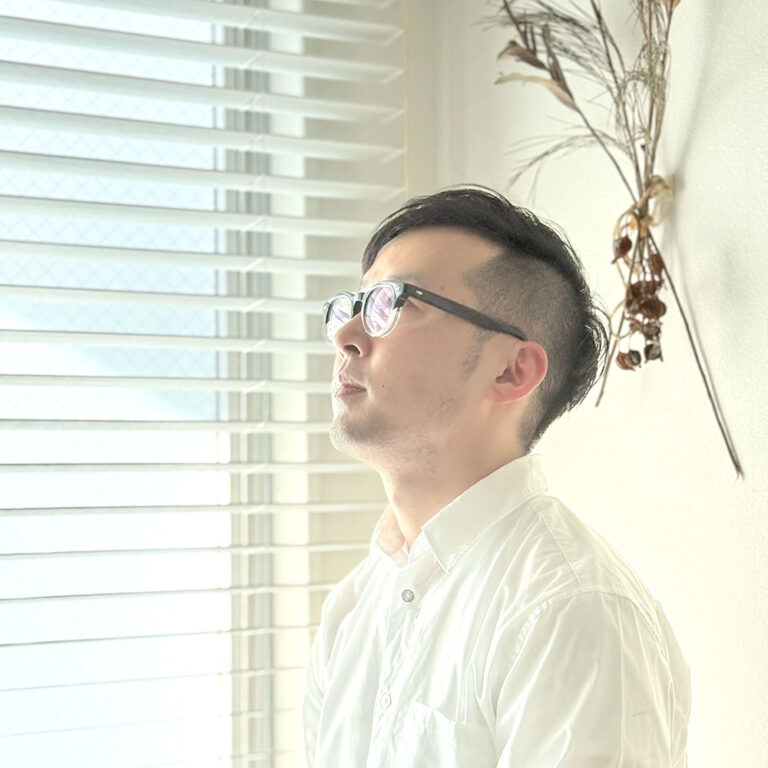
Rə:eN
Yokohama
Koto saysHe left this work, walked another path, and came back to it with real resolve.
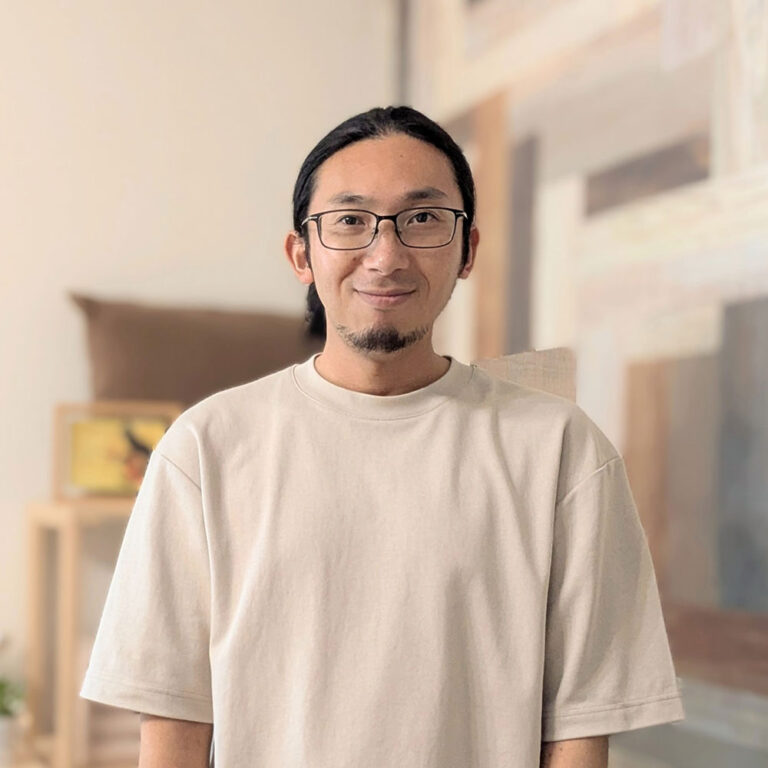
Seitai Salon KoShuKa
Nagoya
Koto saysHe says openly that he wants to live like a cat. Soft on the outside, steady at the core.
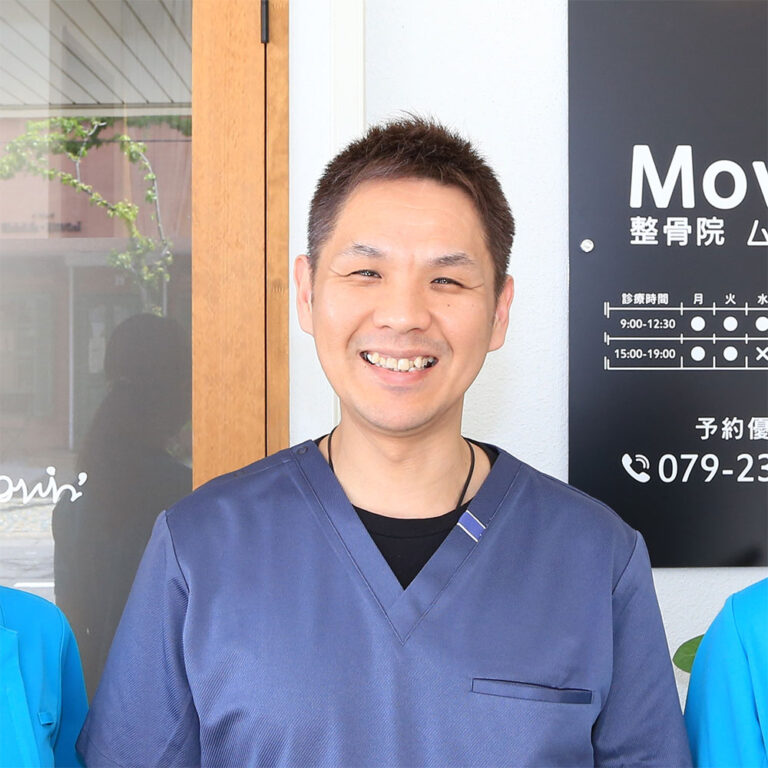
Movin’
Himeji, Hyogo
Koto saysNo self-promotion. Word simply spreads, from the next town and beyond.
Fascia Seitai Somuart
Okayama
Koto saysMany years living abroad. I think that is where the warmth comes from.
Treat it as an experience, not a cure. Write to the salon before you land, so there's time to find an opening.
Look for someone you can keep going back to. Koto is plain about it: one session rarely settles everything.
Near Tokyo, in Nagoya, and west along the Shinkansen toward Okayama. Ota is north of Tokyo, in Gunma.
Email bookings go straight to the salon you choose. There's no need to phone.
Your email can be in English. Your session may not be. Kazuaki Kawada can work in English. With the others, please bring a translation app and use what Japanese you can.
Solechika introduces practitioners and does not take bookings or pass on messages.
Choose a sensei to see the salon’s email address.
Subject: Seitai session request / 施術のご相談

Dear Kawada-sensei,

I found you on Solechika and would like to ask about a seitai session.

Name / お名前: Sam Lee
Living in Japan, or visiting / 在住・旅行: Visiting from Canada
Where I will be / 滞在場所: Near Shinjuku Station, Tokyo
Dates and times, up to three options / 希望日時(3つまで): 12 March after 14:00, 13 March morning, 14 March any time
What I would like help with / ご相談内容: Stiff shoulders and a sore lower back
Anything you should know first / 事前に伝えたいこと: Nothing in particular
My language / 言語(日本語の程度、翻訳アプリの有無): English only. I can use a translation app.
Your email goes straight to the salon, and the salon replies to you. Short, simple sentences help, because replies may be written with a translation tool. Please email rather than phone.